Safe Daily Transfers With Online UPI Payment App Planning Now
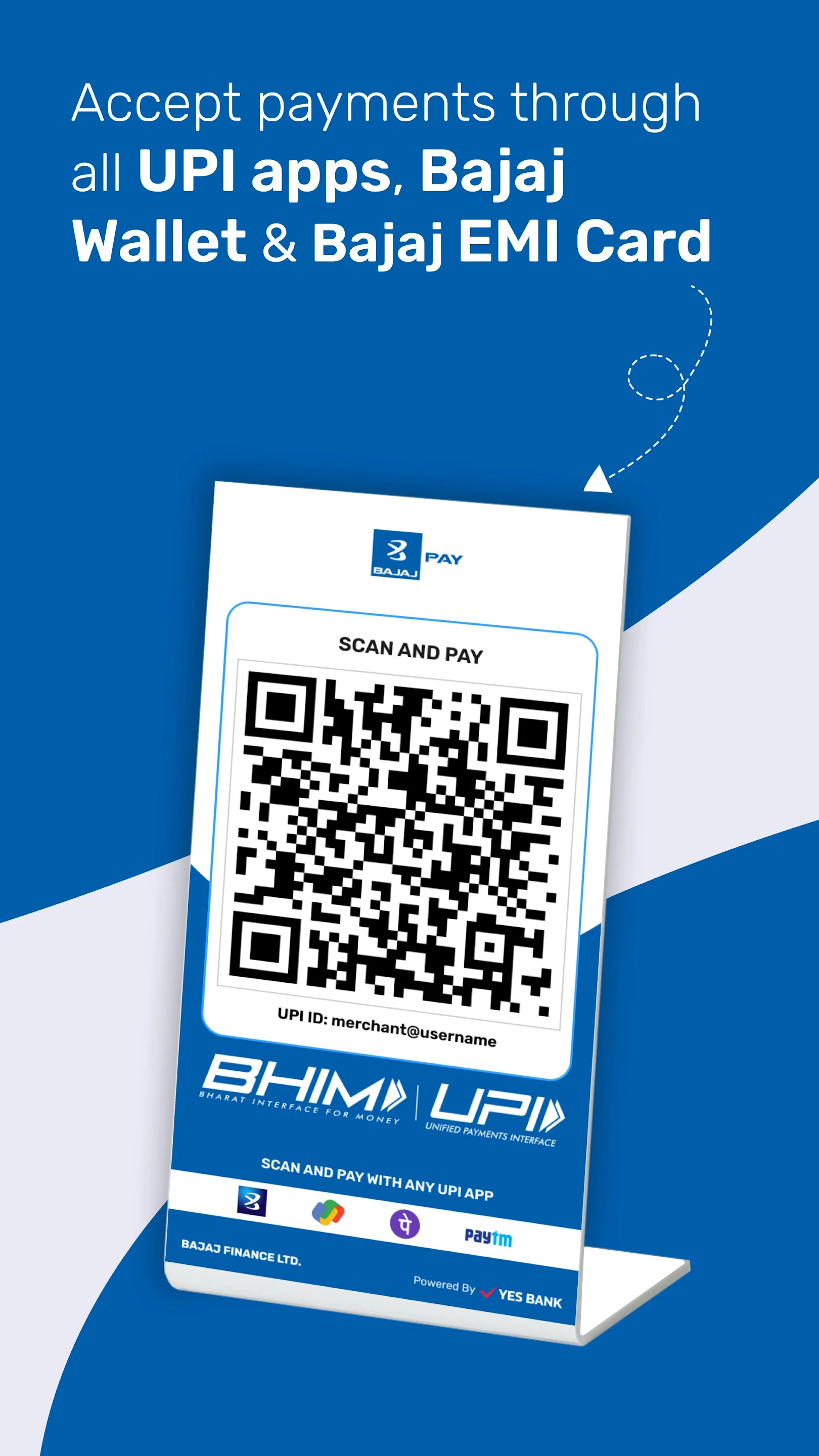
An online UPI payment app can help users send money, receive payments, pay bills, scan QR codes, recharge mobile numbers, manage merchant payments, and track transaction history digitally. It has become a useful tool for everyday payments because it reduces the need for cash and makes transfers faster.
During a short-term money gap, some users may also consider an instant loan to handle urgent payments. However, digital payment convenience and borrowing should be managed separately. Users should first check their bank balance, upcoming bills, repayment capacity, and monthly spending before taking any financial step.
Understand Daily Payment Behaviour
UPI payments are quick, which makes them useful for regular expenses. However, small payments can add up if users do not track them.
Common daily UPI payments include:
- Grocery purchases
- Food orders
- Fuel payments
- Mobile recharges
- Utility bills
- Rent transfers
- Cab or travel payments
- School-related payments
- Local shop payments
- Peer-to-peer transfers
A payment app should help users manage these transactions with records and alerts.
Set A Monthly UPI Budget
A monthly UPI budget can help users control spending. Since many small transactions happen through UPI, users should decide how much they want to spend through the app every month.
A basic UPI budget may include:
- Household Payments
Groceries, gas, electricity, and water bills should be tracked separately.
Personal Spending
Food, travel, entertainment, and small shopping should have a limit.
Emergency Payments
Urgent transfers should be noted so they do not get mixed with regular spending.
Bill Payments
Recurring bills should be planned around income dates.
Savings Balance
Users should keep savings separate from daily UPI spending.
This helps users avoid overspending through frequent small transactions.
Check Details Before Every Transfer
UPI payments are fast, but users should still check details before entering the UPI PIN. A wrong transfer can be difficult to reverse.
Important checks include:
- Receiver name
- UPI ID
- Mobile number
- QR code merchant name
- Payment amount
- Remarks, if needed
- Bill amount
- Linked bank account
- Final confirmation screen
- Transaction purpose
Users should never enter their UPI PIN unless they are sending money.
Track Payment History Weekly
Payment history can show where money is going. Users should review transactions weekly to identify unnecessary expenses and failed payments.
A weekly review may include:
- Total UPI spending
- Highest payment category
- Frequent merchants
- Failed transactions
- Refunds pending
- Duplicate payments
- Bill payments completed
- Peer transfers
- Subscription-like payments
- Cash flow gaps
This review can support better money management.
Use QR Payments Carefully
QR code payments are common at shops, restaurants, petrol pumps, and service counters. Users should confirm the merchant name before paying.
Safe QR payment habits include:
- Scan only visible merchant QR codes
- Confirm merchant name on screen
- Avoid QR codes sent by unknown people
- Check amount before entering PIN
- Do not scan codes promising rewards
- Ask merchant to confirm receipt
- Save payment confirmation
- Avoid paying under pressure
- Report suspicious QR codes
- Avoid sharing screenshots with sensitive details
QR convenience should always be supported by caution.
Handle Failed Transactions Properly
Sometimes UPI payments may fail, remain pending, or get debited without instant confirmation. Users should avoid paying again immediately without checking transaction status.
A safe process includes:
- Check transaction history
- Review bank debit message
- Save transaction ID
- Wait for status update
- Contact official support
- Confirm merchant receipt
- Track refund timeline
- Avoid repeated retries
- Keep screenshots for reference
- Match payment with bank statement
This can reduce duplicate payments and confusion.
Protect UPI Account Safety
UPI safety depends on careful user behaviour. Fraudsters may try to trick users through fake links, reward messages, screen-sharing requests, or collect requests.
Important safety habits include:
- Never share UPI PIN
- Do not approve unknown collect requests
- Avoid unknown payment links
- Do not share OTPs
- Keep phone lock active
- Use official apps only
- Avoid public Wi-Fi during payments
- Monitor bank alerts
- Update apps regularly
- Contact official support only
Users should remember that receiving money does not require entering a UPI PIN.
Use Bill Reminders
An online UPI payment app can be useful for paying recurring bills, but users should still set reminders. Relying only on memory can lead to missed due dates.
A bill reminder list may include:
- Electricity bill
- Mobile recharge
- Broadband payment
- Water bill
- Credit card bill
- Rent transfer
- Insurance premium
- School fee
- Subscription renewal
- Loan EMI
Reminders can help users pay on time and avoid penalties.
Separate Personal And Business Payments
Users who run small businesses should avoid mixing personal and business UPI payments. Separate tracking makes cash flow easier to understand.
Benefits of separation include:
- Clearer income records
- Better expense tracking
- Easier tax-related review
- Cleaner customer payment records
- Better supplier payment tracking
- Less confusion in bank statements
- Easier profit calculation
- Better monthly budgeting
- Improved payment discipline
- Simpler dispute handling
This is especially useful for small shop owners, freelancers, and service providers.
Conclusion
An online UPI payment app can make daily transfers, bill payments, QR payments, and merchant transactions easier. However, users should manage it with budgeting, transaction review, payment safety, and account protection.
Before depending on a loan app for urgent payments, users should first review their UPI spending, reduce avoidable expenses, and check whether better payment planning can solve the cash gap. Digital payments are most useful when they support control and financial discipline.